

Identify all your current and non-current assets, and list them as individual line items in separate categories. Add all of your current assets together, and create a subtotal in the current assets section, which might include assets like cash, inventory, and accounts receivable. Do the same for non-current assets, which might include property, equipment, and intangible assets, in their respective section.
Get Started with Invoice Fly’s Software
Track your leverage alongside revenue and net income using Business Reports to see how your financial structure supports (or hinders) profitability. The Accounting Equation represents the backbone of financial accounting. Every transaction recorded in the accounting system maintains this balance — ensuring accuracy and consistency.
Add your net income from the reporting period

Retained earnings are sometimes called retrained trading profits or earning surplus. Accounting professionals that want to advance their skills and prepare for career progression should explore their options with a Yeshiva University online Master’s in Accounting degree. The AACSB-accredited YU Sy Syms School of Business provides students with in-demand skills that catch an employer’s eye, as well as all of the essential accounting principles for today’s markets.
Common mistakes to avoid when calculating retained earnings

But small business owners often place a retained earnings calculation on their income statement. Now your business is taking off and you’re starting to make a healthy profit which means it’s time to pay dividends. These earnings are considered «retained» because they have not been distributed to shareholders as dividends but have instead been kept by the company for future use. Understanding retained earnings is crucial for financial professionals as it provides insight into a company’s financial health and strategic decisions. Whether analysing balance sheets, assessing investment opportunities, or planning corporate strategy, retained earnings serve as a key indicator of a company’s historical performance and future potential.
Business Services

In ideal situations, a company should retain its profits if the company is able to generate higher profits for the shareholders by the process of reinvesting profits. Basically, Moon Invoice or any other invoicing tool plays an indirect role, i.e., to offer you sales data, business expenses, or Statement of Comprehensive Income financial statements. You can generate high-quality and paperless reports in a few clicks and pull out the accurate data to simplify your calculations.
How to Calculate Retained Earnings: Formula and Example
It’s important that the retained earnings starting balance be the same as the retained earnings ending balance from the prior period. how to calculate retained earnings If an accounting error is noticed in a statement, some businesses make the mistake of doing a prior-period adjustment, but then not adjusting other statements to reflect the changes. Retained earnings are the profits that a business gains as the amount left as reserve not paid out for dividends, and then it’s the owner’s choice to reinvest the amount.
How to calculate retained earnings (formula + examples)
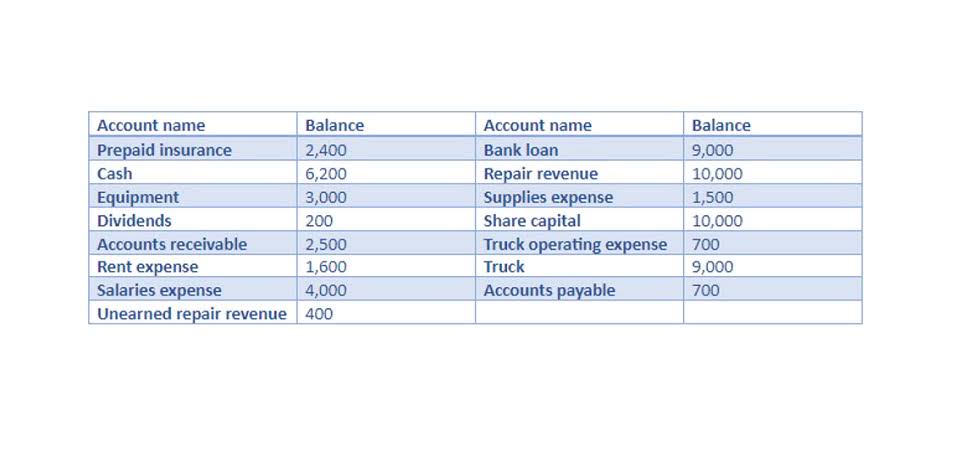
You can use this figure to help assess the success or failure of prior business decisions and inform plans. It’s also a key component in calculating a company’s book value, which many use to compare the market value of a company to its book value. Conversely, if a company has a low retained earnings percentage, it may indicate that it isn’t reinvesting enough of its profits back into the business, which could be cause for concern. If a company has a high retained earnings percentage, it keeps more of its profits and reinvests them into the business, which indicates success. Companies can use https://www.bookstime.com/ reserves for any purpose they see fit, while they must use retained earnings to finance their operations or reinvest in the company.
- Learn the compa ratio formula and best practices for your compensation strategy.
- Retained earnings are an important part of accounting—and not just for linking your income statements with your balance sheets.
- A company’s equity reflects the value of the business, and the retained earnings balance is an important equity account.
- The beginning retained earnings figure is required to calculate the current earnings for any given accounting period.
- Finance leaders can leverage retained earnings to secure funding, inform goal-aligned investments, and achieve sustainable growth.
- When a company pays dividends to its shareholders, it reduces its retained earnings by the amount of dividends paid.
- It ensures that the balance sheet remains balanced, reflecting that all resources are financed either through debt or equity.
- Reviewing a business’ retained earnings over time can also help a potential investor understand its priorities and give a glimpse into its operations.
- A key measure in business accounting, retained earnings will help you chart a course for growth.
- As companies grow, their shareholders’ equity tends to be split among more and more people or entities—from the venture capital companies that invest in them to, eventually, public stockholders.
- This comprehensive guide explores the concept of retained earnings, its calculation, significance, and impact on business finances.
- Retained earnings offer valuable insights into a company’s financial health and future prospects.
But this tends to overstate the company’s net income and retained earnings. If a salary hasn’t been drawn by the owner, a banker or potential investor will typically factor one in to try to see its potential impact on the finances. Your company’s retention rate is the percentage of profits reinvested into the business. Multiplying that number by your company’s net income will give you the retained earnings balance for the period.
It tells you how much profit the company has made or lost within the established date range. Some companies use their retained earnings to repurchase shares of stock from shareholders. You might go this route for various reasons, such as increasing existing shareholders’ ownership stake or reducing the number of outstanding shares. Retained earnings represent the portion of a company’s net income that’s kept (retained) rather than paid out as dividends.